The story
JeevanKala didn’t start as a standalone idea—it grew out of something much bigger.
Independence
JeevanKala didn’t start as a standalone idea—it grew out of something much bigger.
How it began
In 1992, my father, Anil Parajuli, founded Himalayan HealthCare with a simple but powerful goal: to help communities in remote regions of Nepal become self-sufficient.
What began as an effort to provide access to healthcare in villages like Tipling—where even basic medical care was difficult to reach—slowly expanded into a broader vision.
Over time, it became clear that healthcare alone wasn’t enough. Communities needed sustainable ways to support themselves, especially in regions where opportunities were limited and access to resources was scarce.
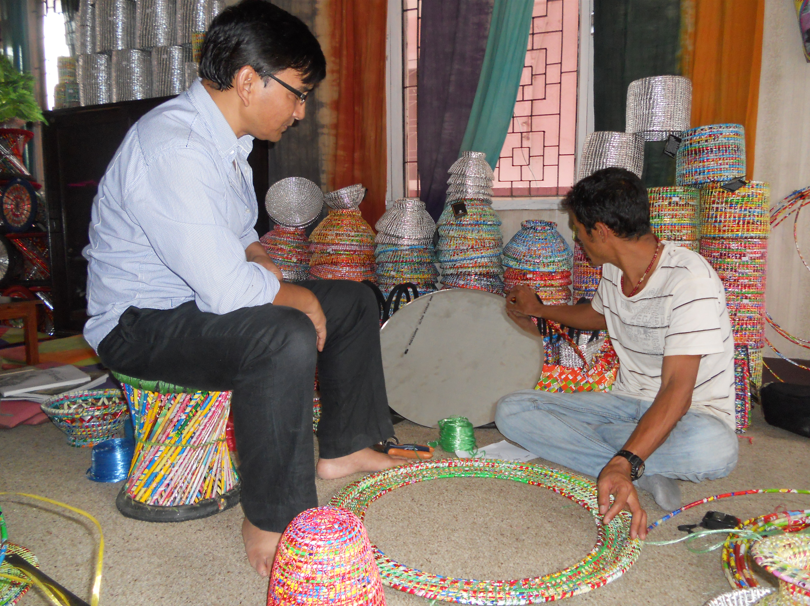
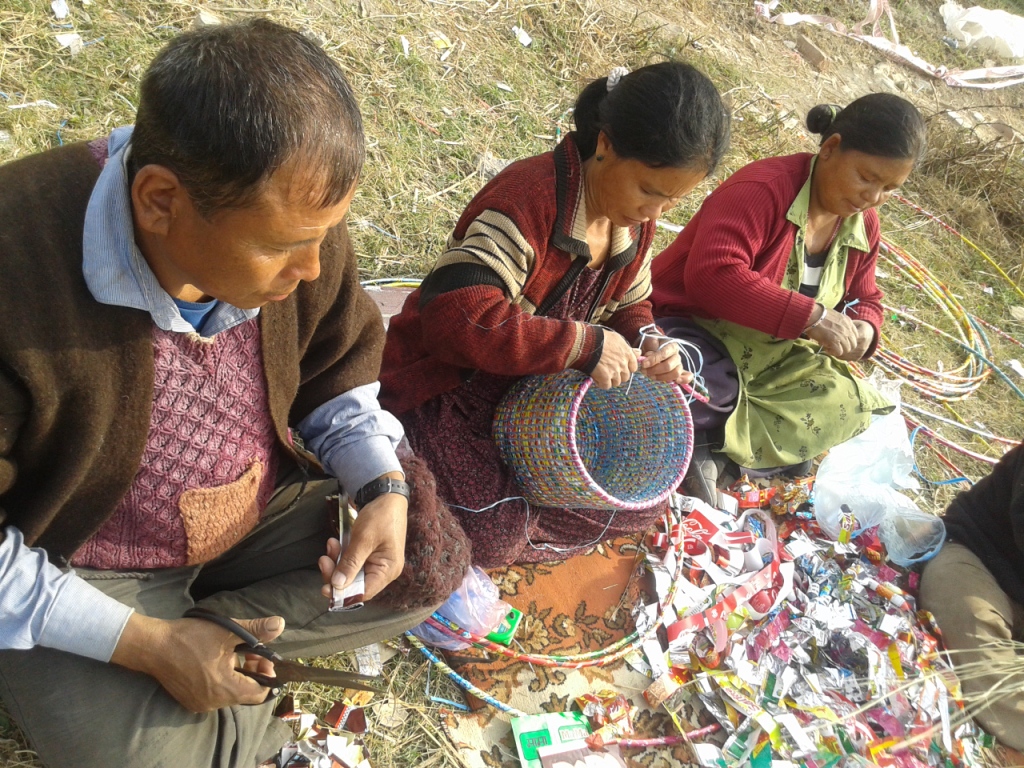
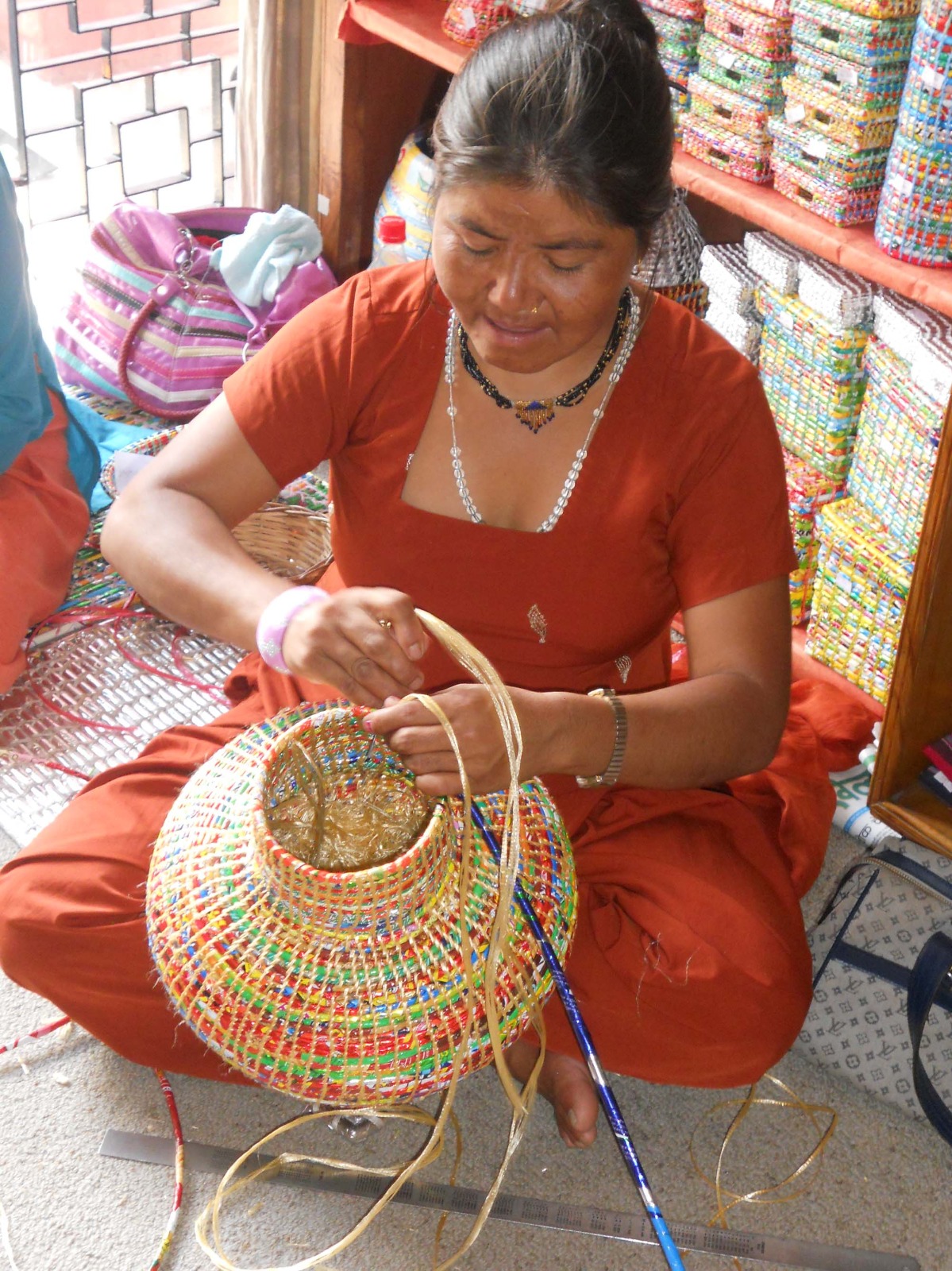
The idea was simple: take something that already existed—waste—and turn it into something valuable. What started as an experiment became a system, connecting urban waste in Kathmandu with rural communities that could transform it into handcrafted products.
The turning point
Today, the initiative supports around 300 artisans, most of them women, providing a source of income that can be earned from home. In many of these communities, where traditional roles have historically limited economic independence, this work represents more than just income—it represents agency.
Leadership
Over time, the responsibility of running JeevanKala was taken on by my mother, Soni KC Parajuli, who continues to lead and grow the initiative today. Her work has focused not just on expanding the program, but on strengthening its impact.
Built on fairness
JeevanKala is also a member of the Fair Trade Federation, meaning that its work is grounded in principles of fair wages, ethical production, and long-term sustainability.


For me, this story is not just about an organization—it’s about what happens when a simple idea is built over time with intention.
It’s about understanding that impact doesn’t come from one solution, but from creating systems that allow people to build their own.
In short, JeevanKala is using tradition to break tradition—turning traditional weaving into income for women in communities where they have not traditionally been the breadwinners.